

DESIGNING WITH SHEER FABRICS: HOW SUNLIGHT TRANSFORMS COLOUR IN YOUR SPACE
Updated: Mar 4
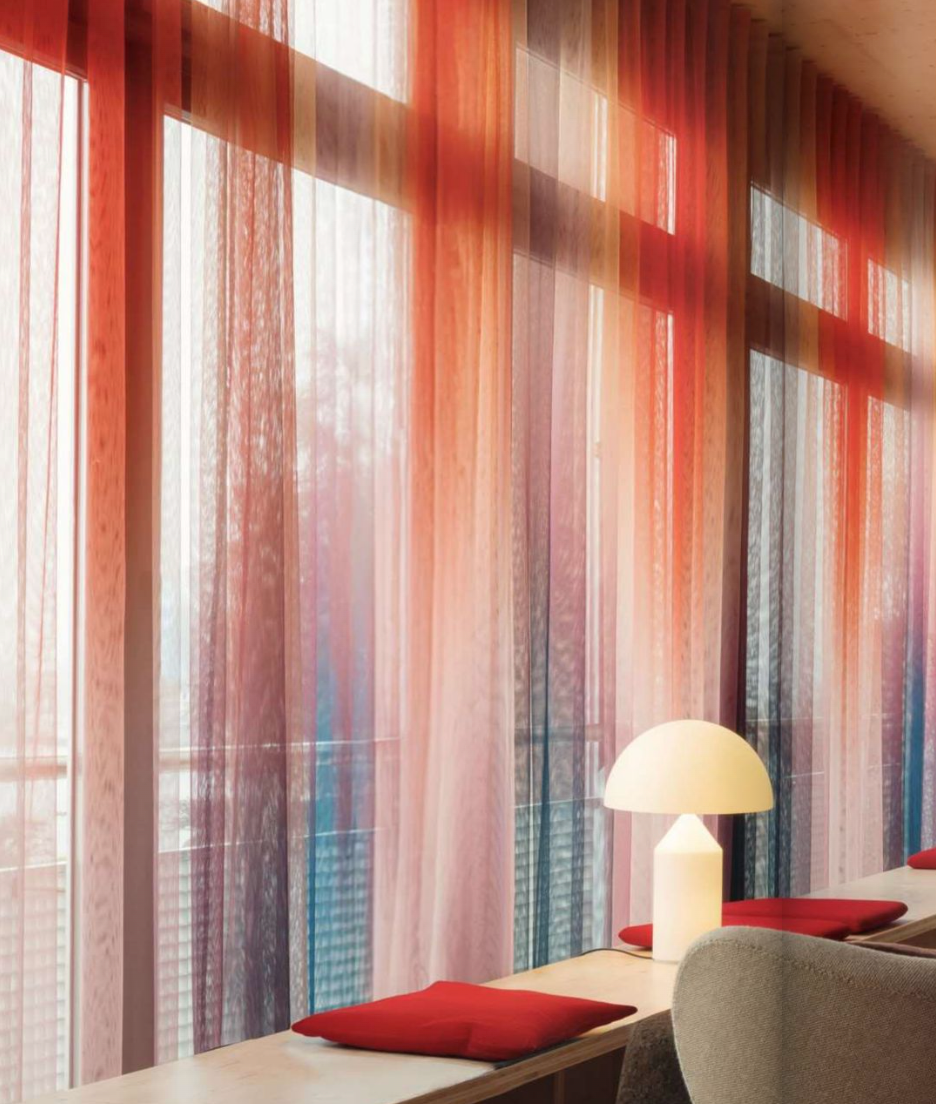
For interior designers, sheer fabrics offer both a challenge and an opportunity. They soften architectural lines, filter light beautifully, and add layers of texture. But their transparency means that sunlight can dramatically alter both the way the fabric appears and the way it influences the room’s colour story. Understanding this interplay is key to selecting the right sheer for your project.

The Sunlight Factor: Warm vs. Cool Light
Natural light is not static. Morning sunlight tends to be cooler, while late-afternoon sun is warmer and richer in tone. A sheer in a crisp grey might appear almost blue under early light, yet take on a golden cast by sunset. This shift can enhance or undermine your intended palette depending on how you anticipate it. South-facing windows often amplify warm tones throughout the day, while north-facing windows keep colour cooler and more consistent.
CH Tip: Before specifying a sheer, view large swatches in the actual space at different times of day. Hold the fabric against the window to see both transmitted light (through the sheer) and reflected light (off the fabric surface).

Colour Perception Inside the Room
Sheers act like a subtle lens, filtering and tinting the daylight that enters the space. A sheer with a warm ivory tone can infuse the whole room with a honeyed glow, even subtly shifting the look of painted walls, flooring, and upholstery. Conversely, cooler-toned sheers can calm an overly warm scheme or introduce a serene, airy mood.
CH Tip: When planning a layered window treatment, consider how the sheer will influence the room’s overall colour balance. Pairing a warm-toned sheer with cool wall colours might create unexpected tension, intentional or not.

The Fabric’s Own Colour Under Sunlight
Sunlight can be both flattering and unforgiving. It can intensify certain hues, cause pale colours to appear washed out, and, over time, lead to fading. Dyes and fibres react differently to UV exposure: linens may soften in tone, polyesters often hold colour longer, and natural silks may lose saturation more quickly.
CH Tip: For rooms with intense direct sun, look for sheers with UV-resistant fibres or treatments. This preserves both the fabric’s appearance and the long-term colour consistency you’ve specified.
Layering for Flexibility
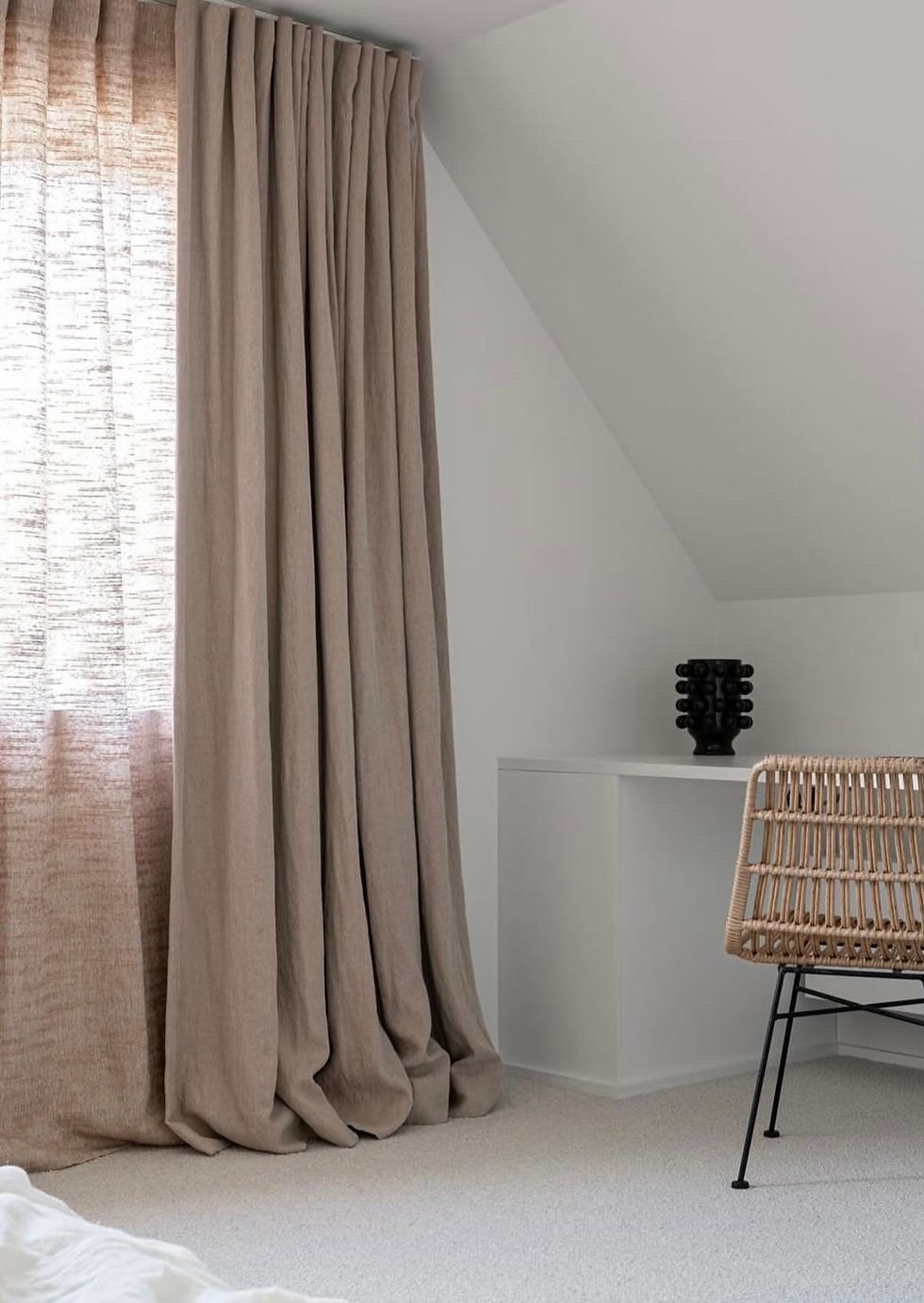
Layering sheers with opaque drapery panels gives designers control over both light and colour perception. This approach allows for adjusting mood and palette throughout the day, diffusing light with the sheer alone, or blocking and framing it with heavier layers when needed.
CH Tip: Use the sheer as your “daytime filter” and think of the heavier layer as your “colour corrector” when you want to neutralize the influence of natural light.
The Bottom Line
Designing with sheers is less about treating them as a static textile choice and more about understanding them as a living, light-shaping element in your space. By anticipating how sunlight will transform both the fabric and the room’s palette, you can harness their beauty without sacrificing your colour vision.
Explore our sheer fabric ranges today. Email info@clothhall.ca to book a personalized presentation.


I like looking at new releases without assuming that every new feature means a predictable experience. With Gates of Olympus 2500, the planned 28 September 2026 launch includes a 6×5 grid and Tumble cascades. The Bonus Wheel is another notable part, offering four Free Spins modes. Those details make the mechanics worth exploring, but I’d still put the mathematical information first. The game is described as having high volatility, so I would expect noticeable variation between sessions. The 27.93% hit frequency also needs careful interpretation. It isn’t a promise that something happens every N rounds, and I wouldn’t use it that way. The provider’s methodology is important when reading any such statistic. In my view, a long-run theoretical figure is…